Coloured Smoke

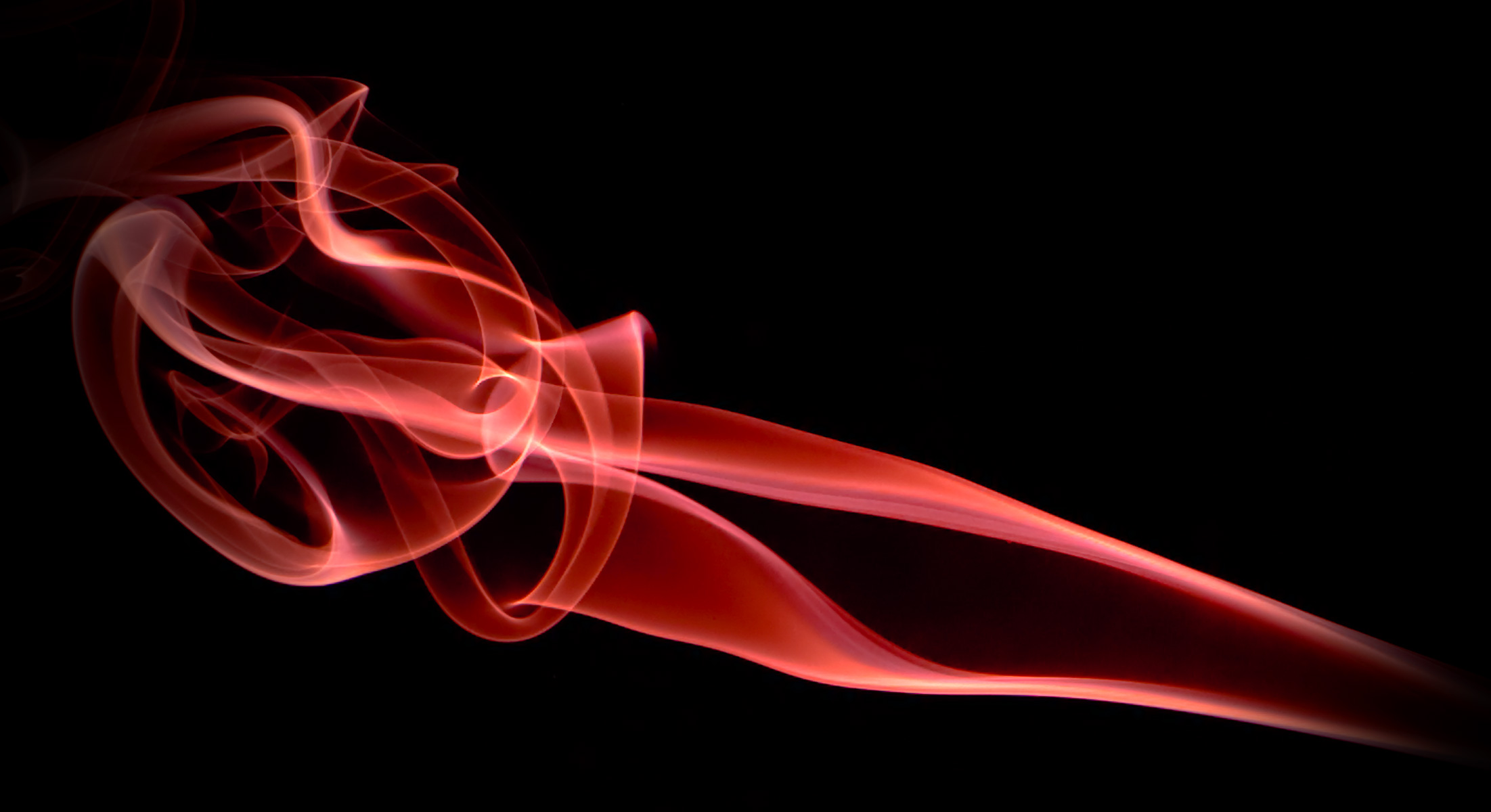
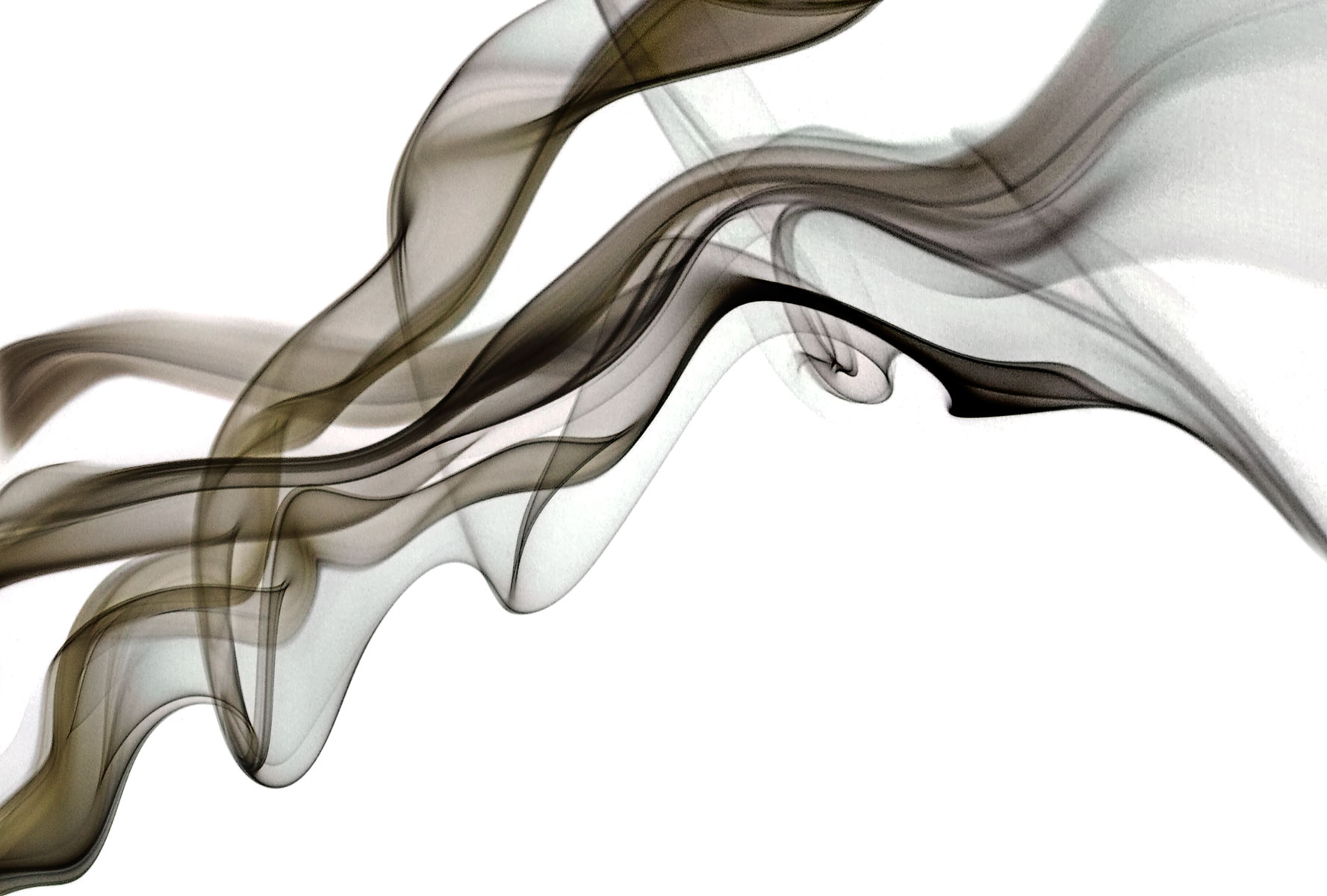
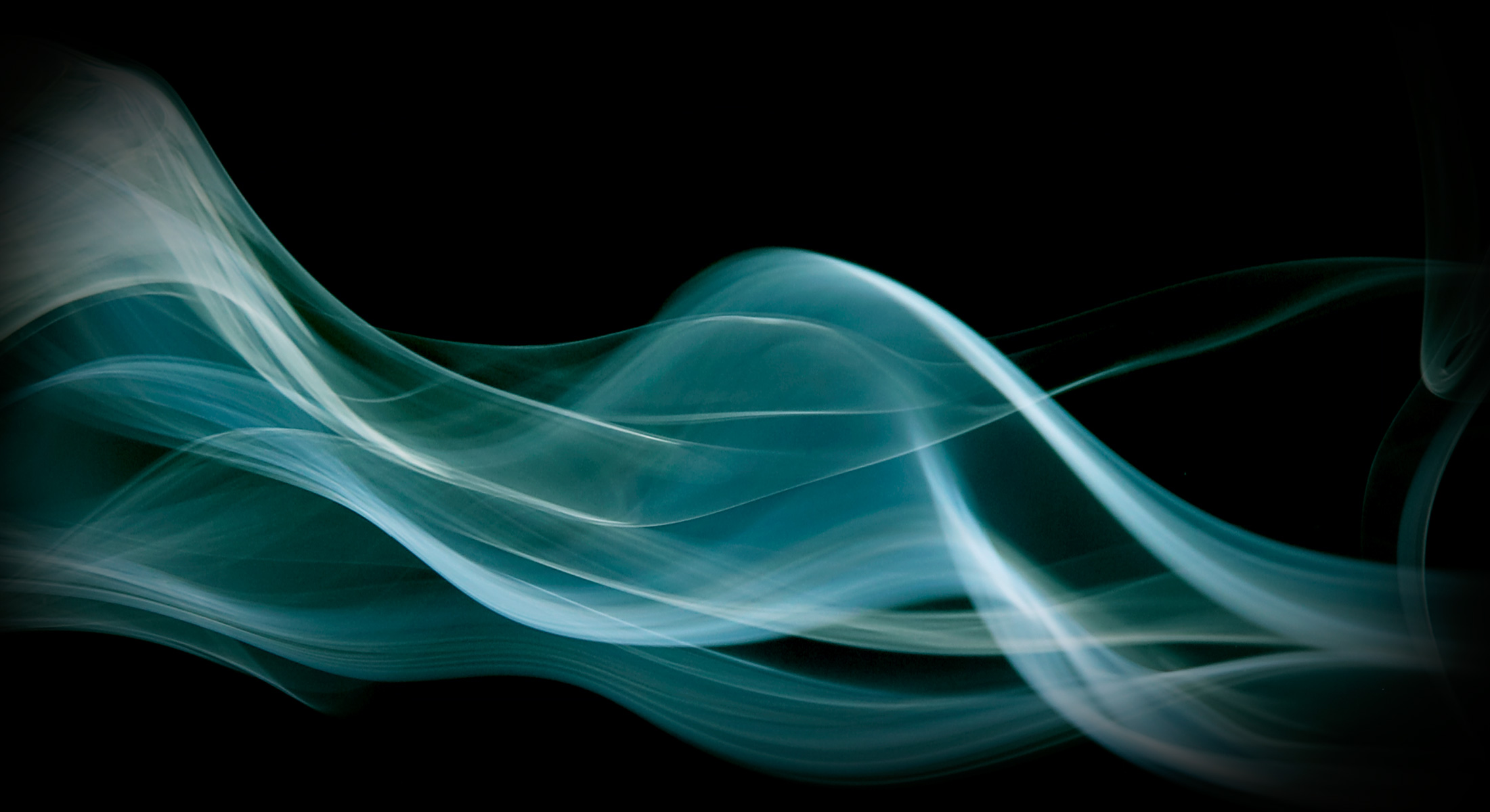
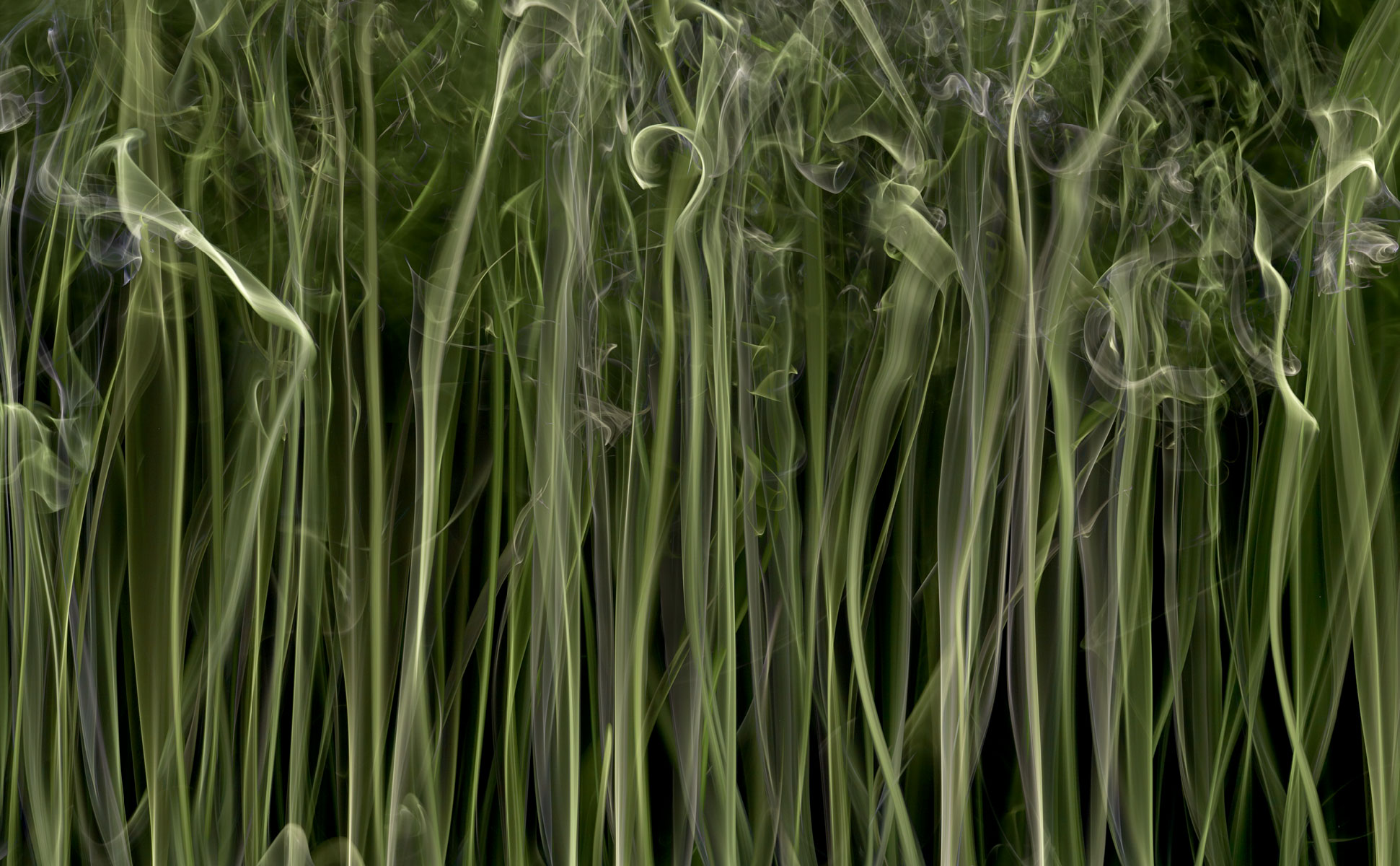
abstract coloured smoke art
firstpreviousnextlast


Smoke art

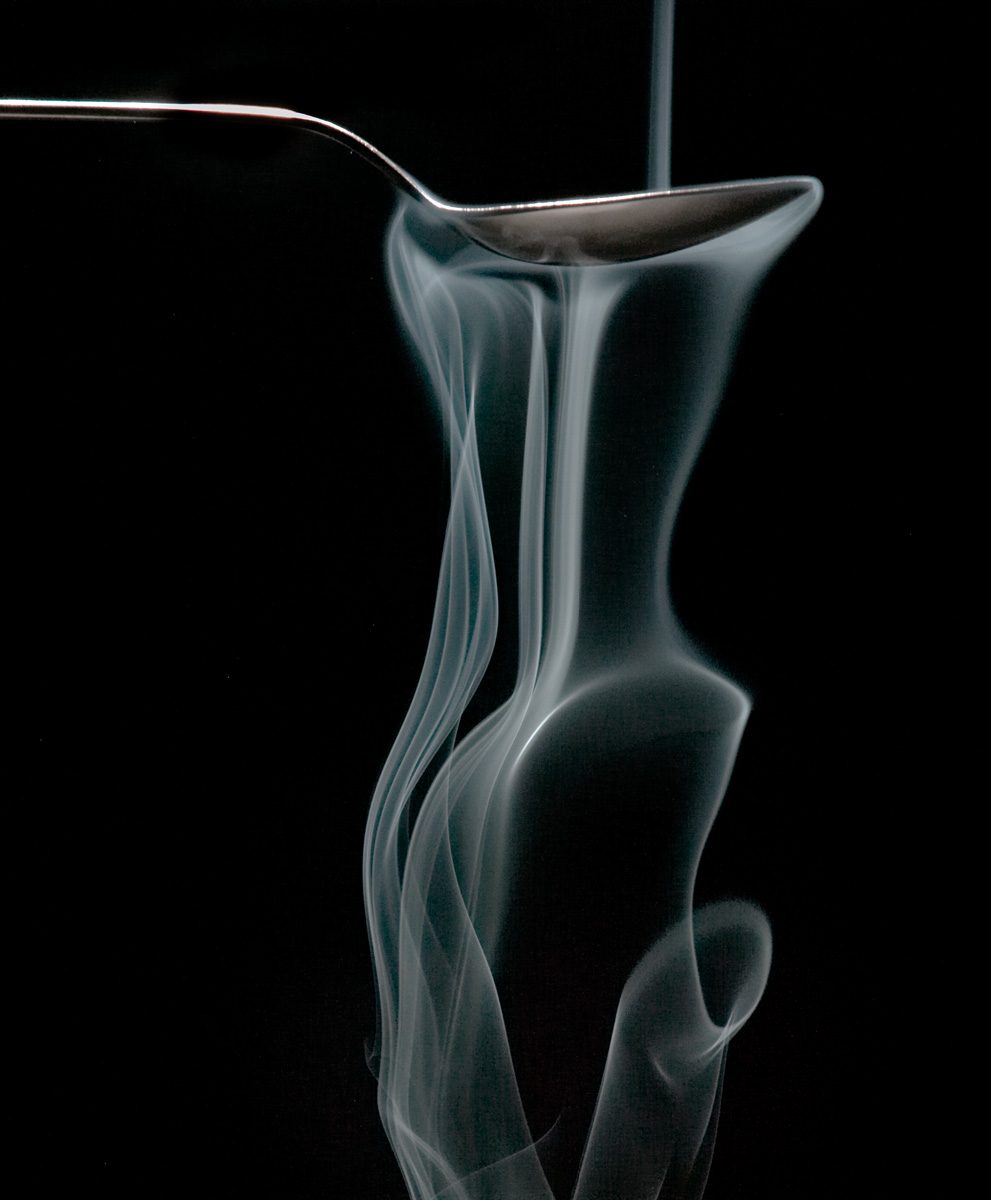
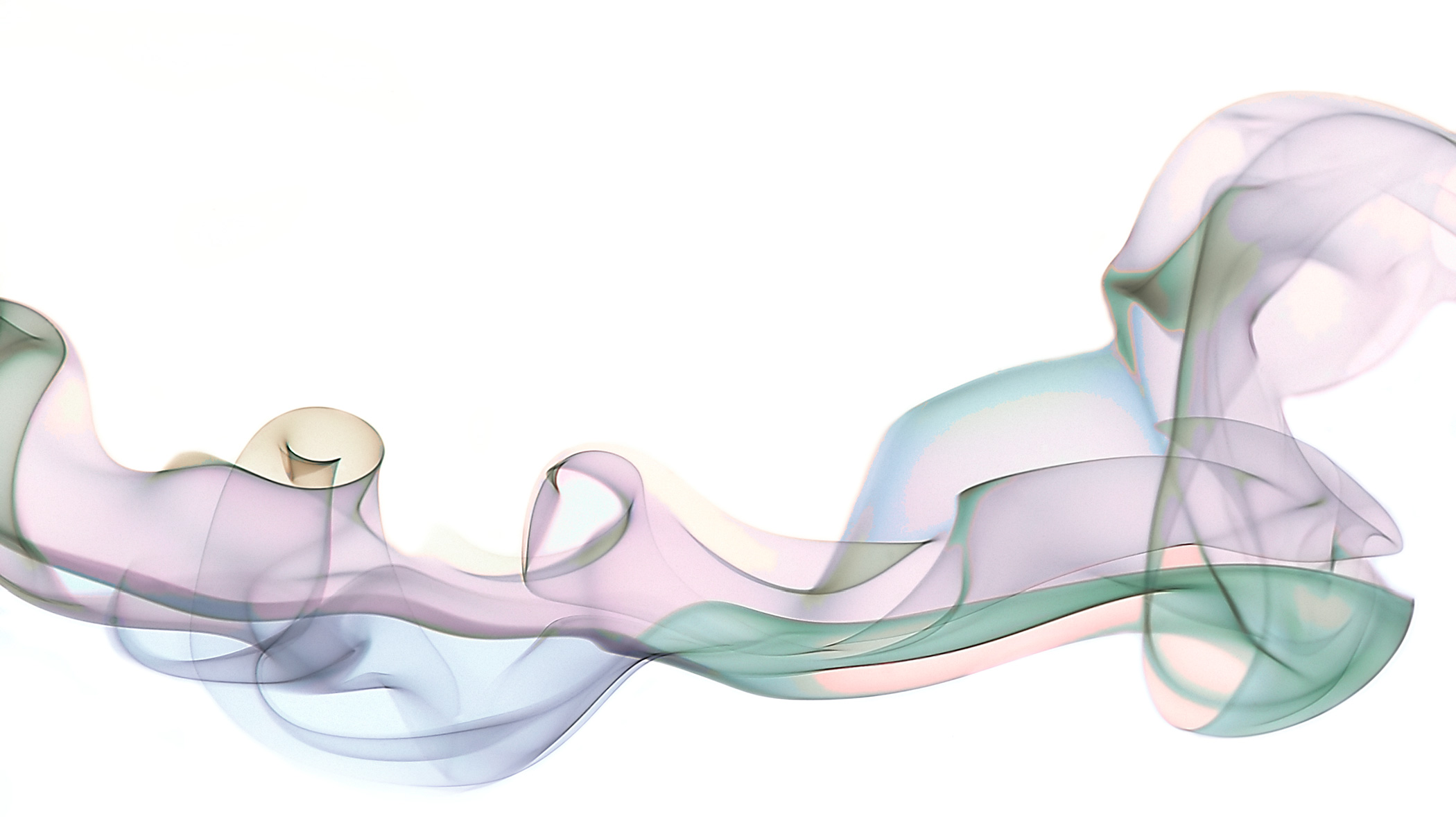
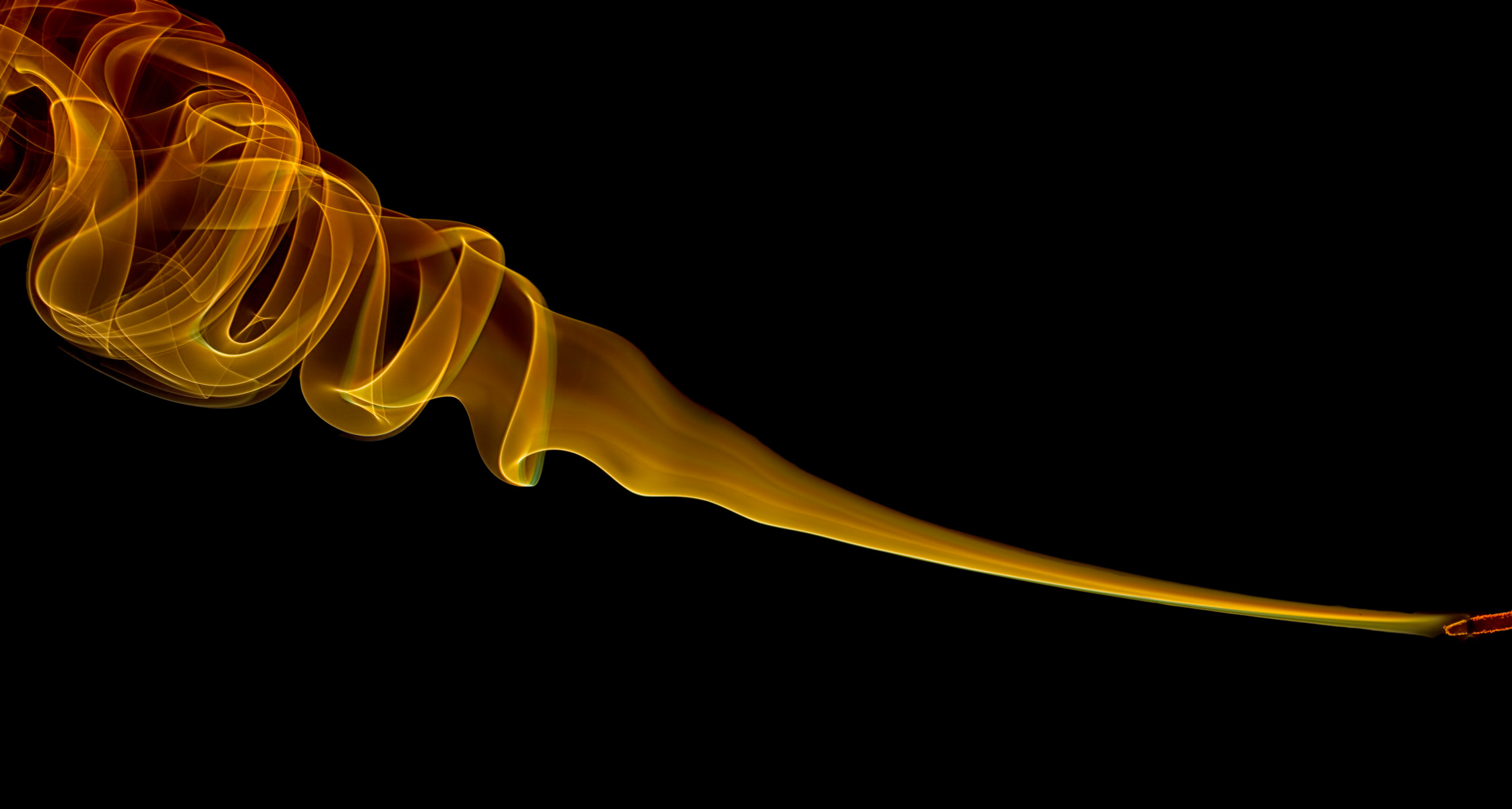
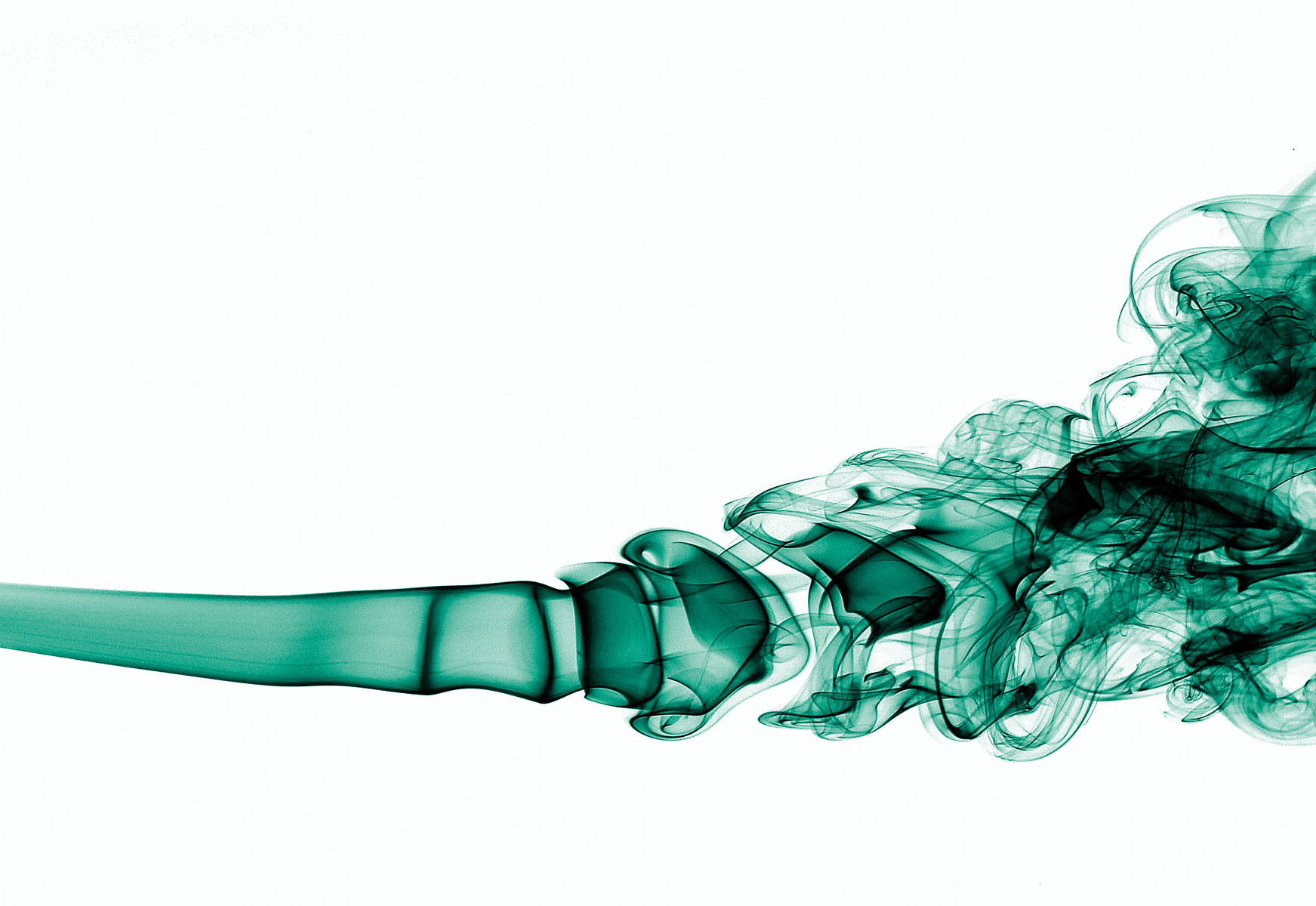
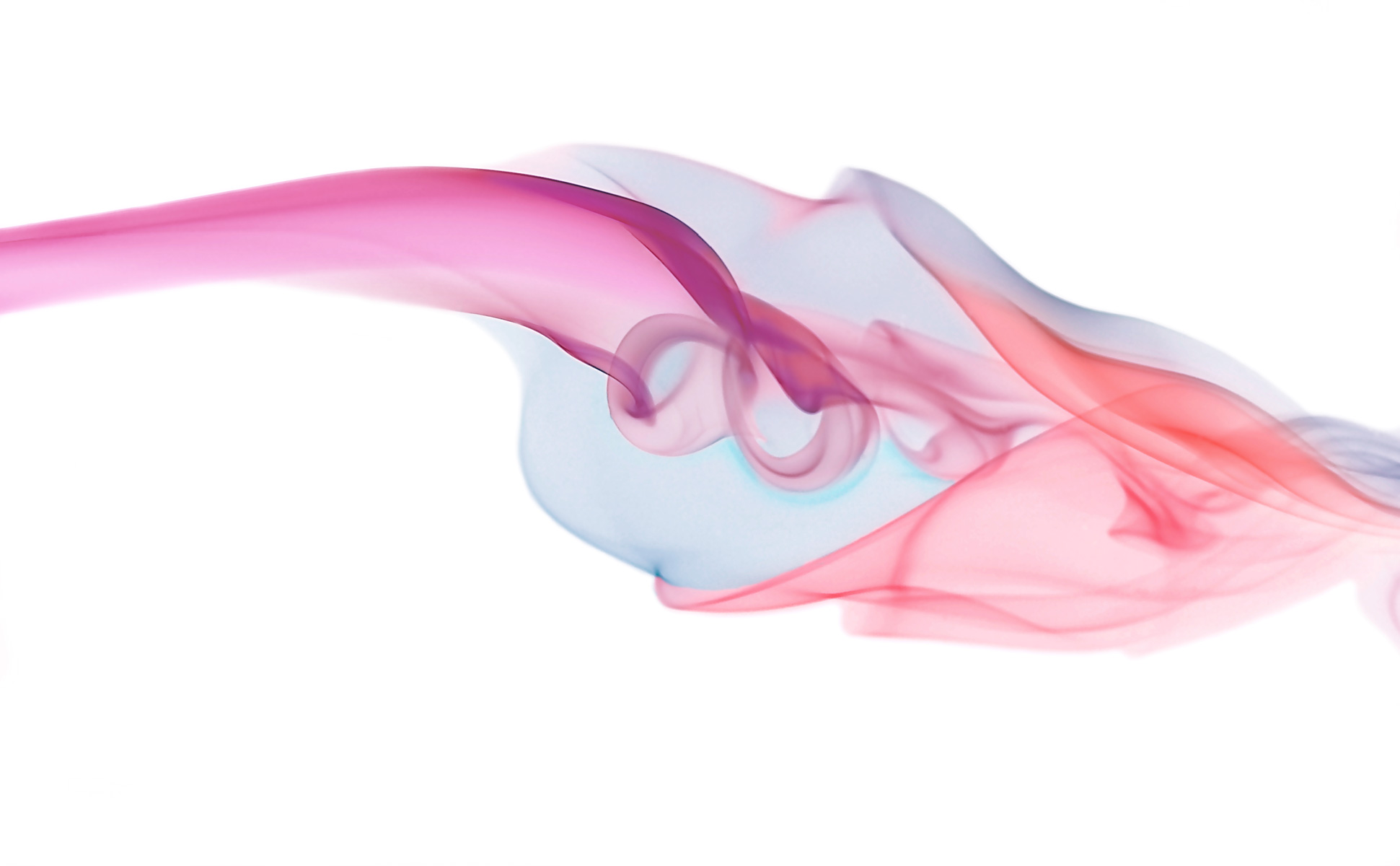
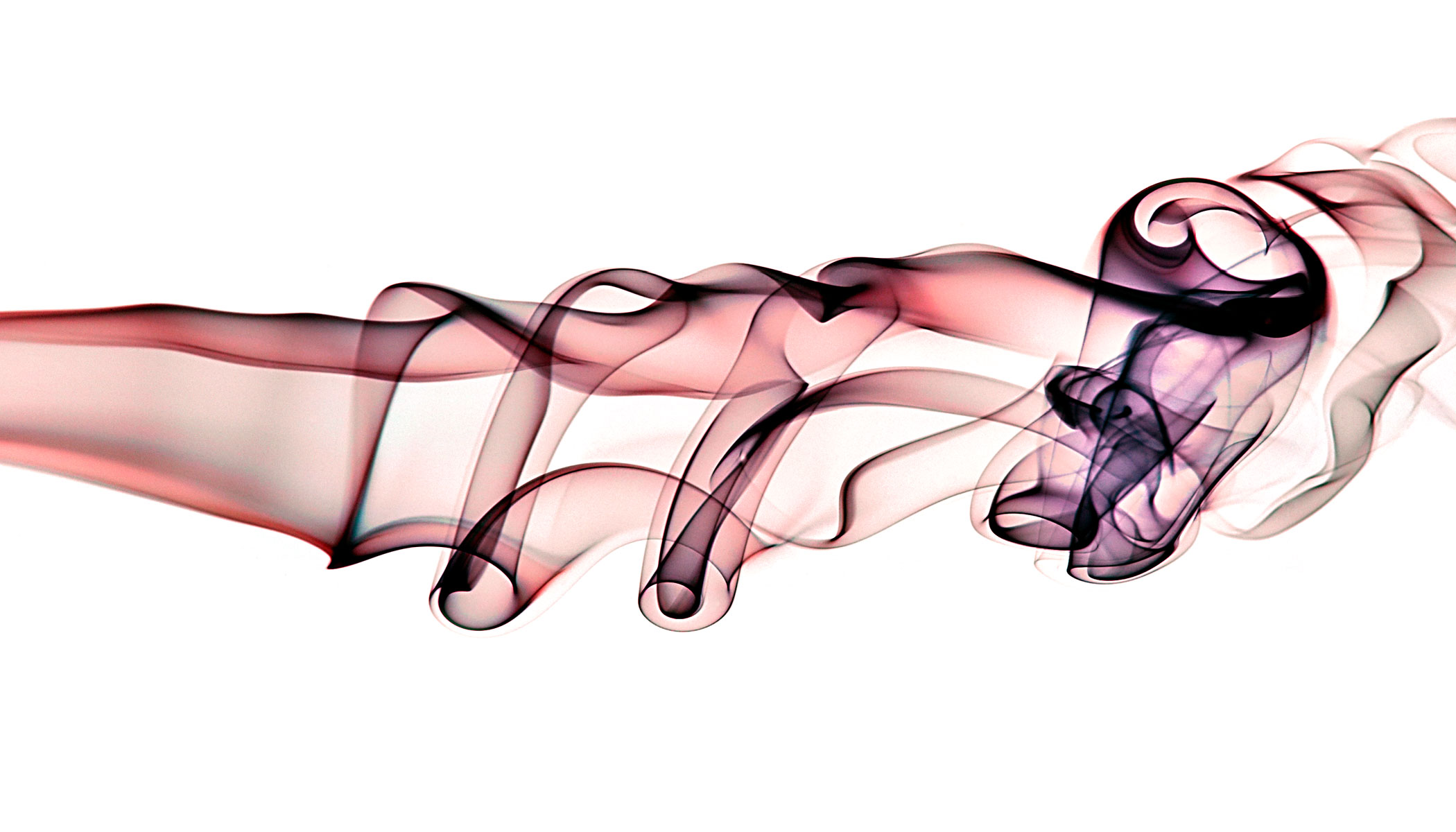
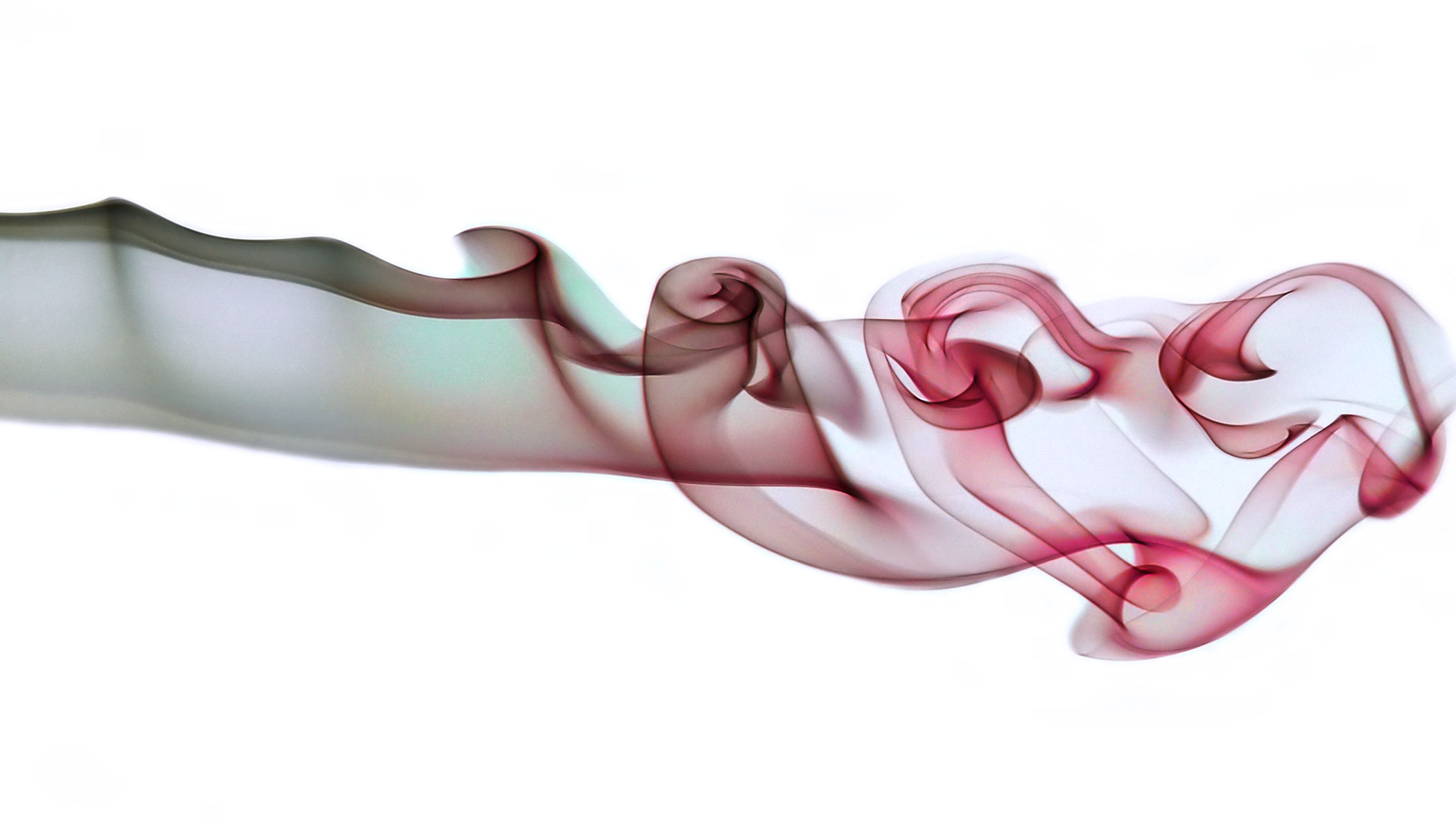
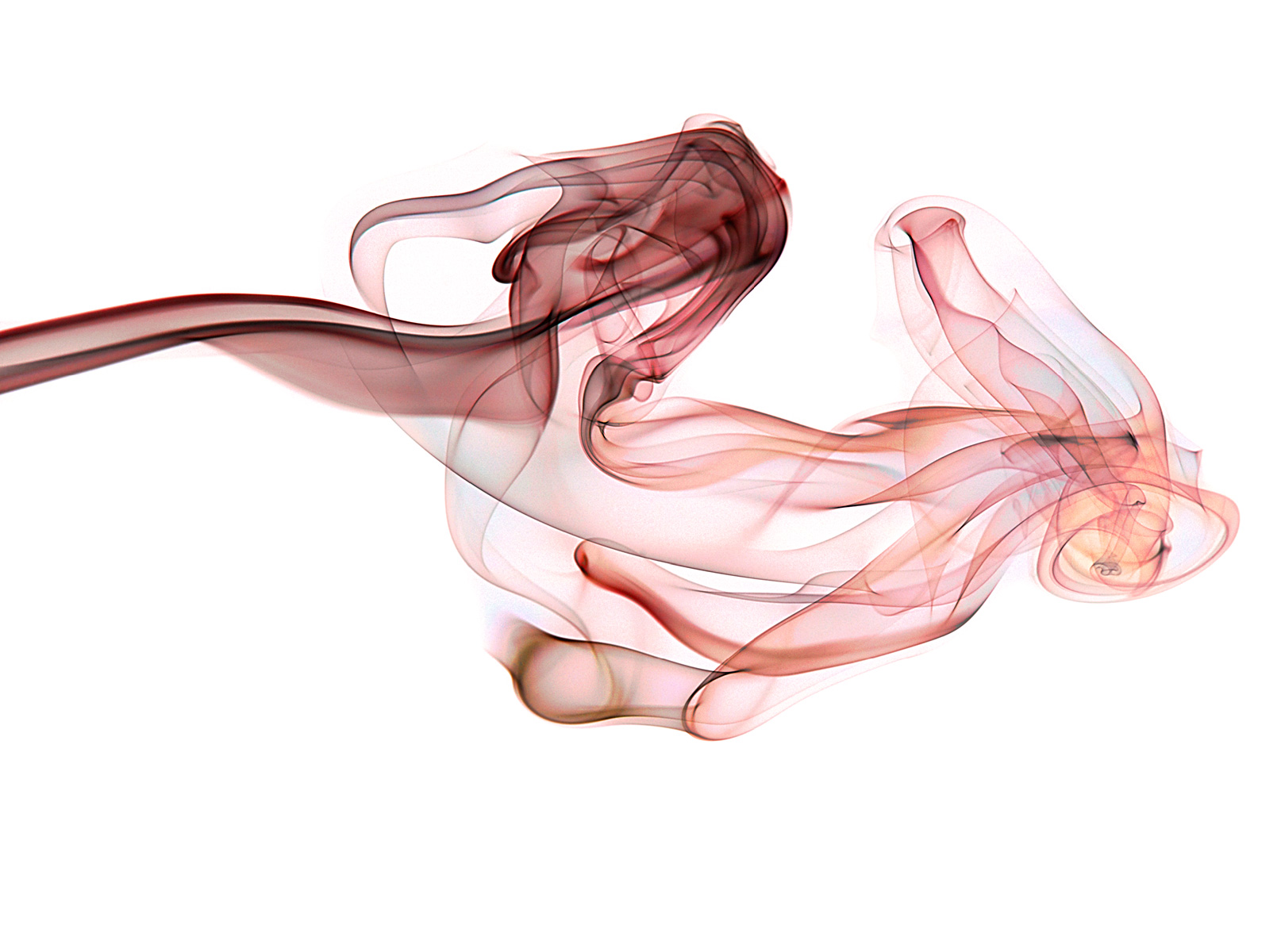
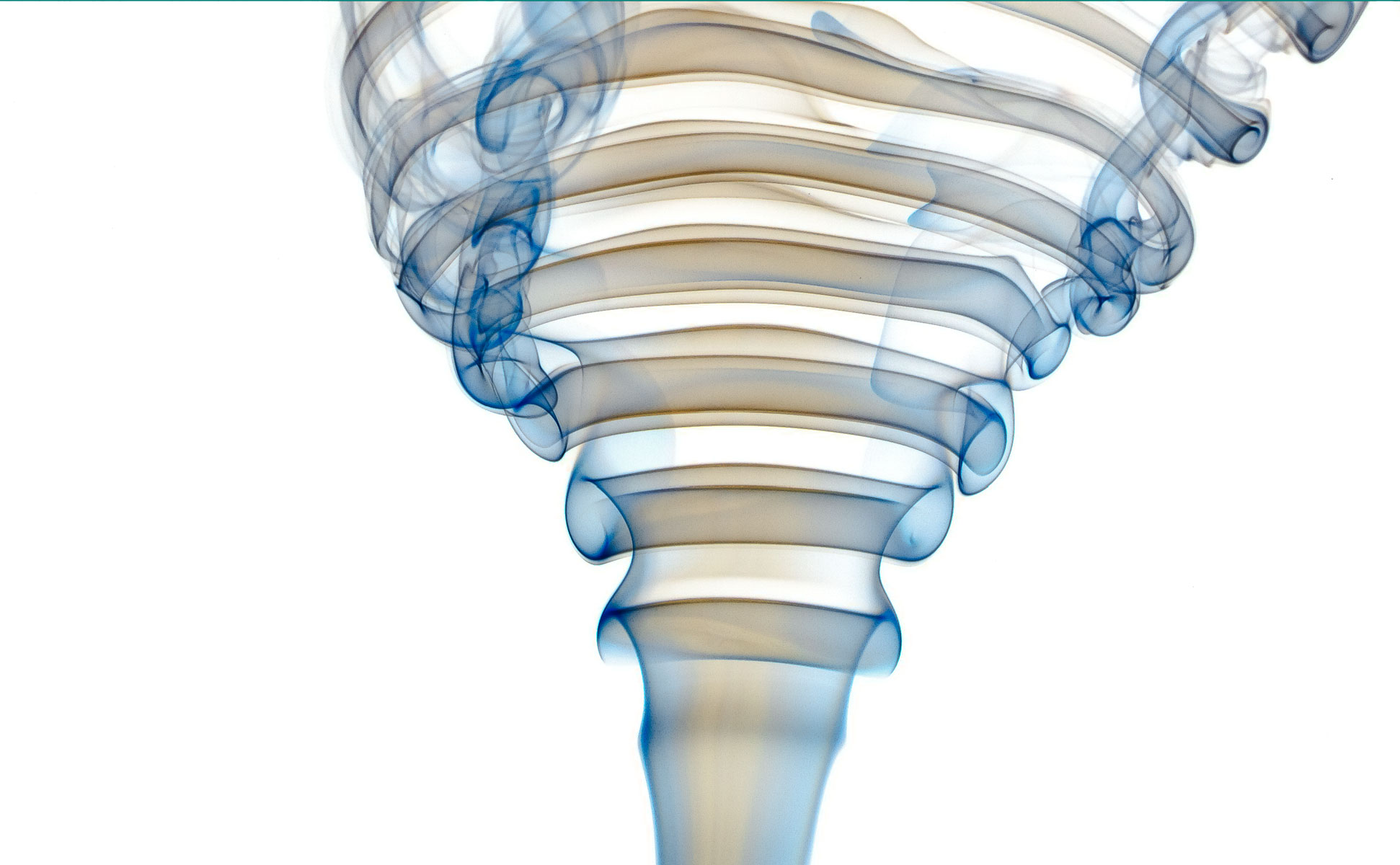
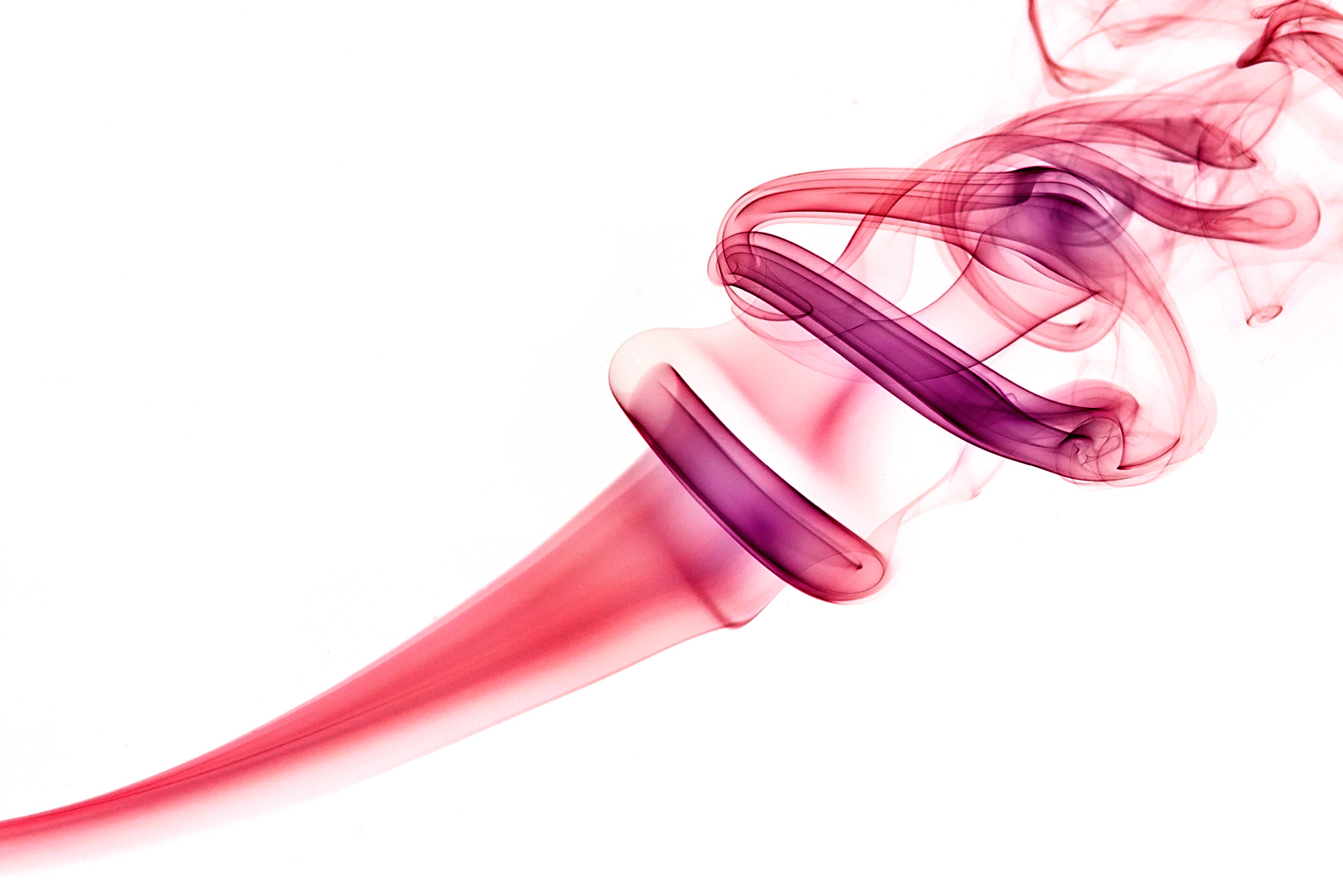
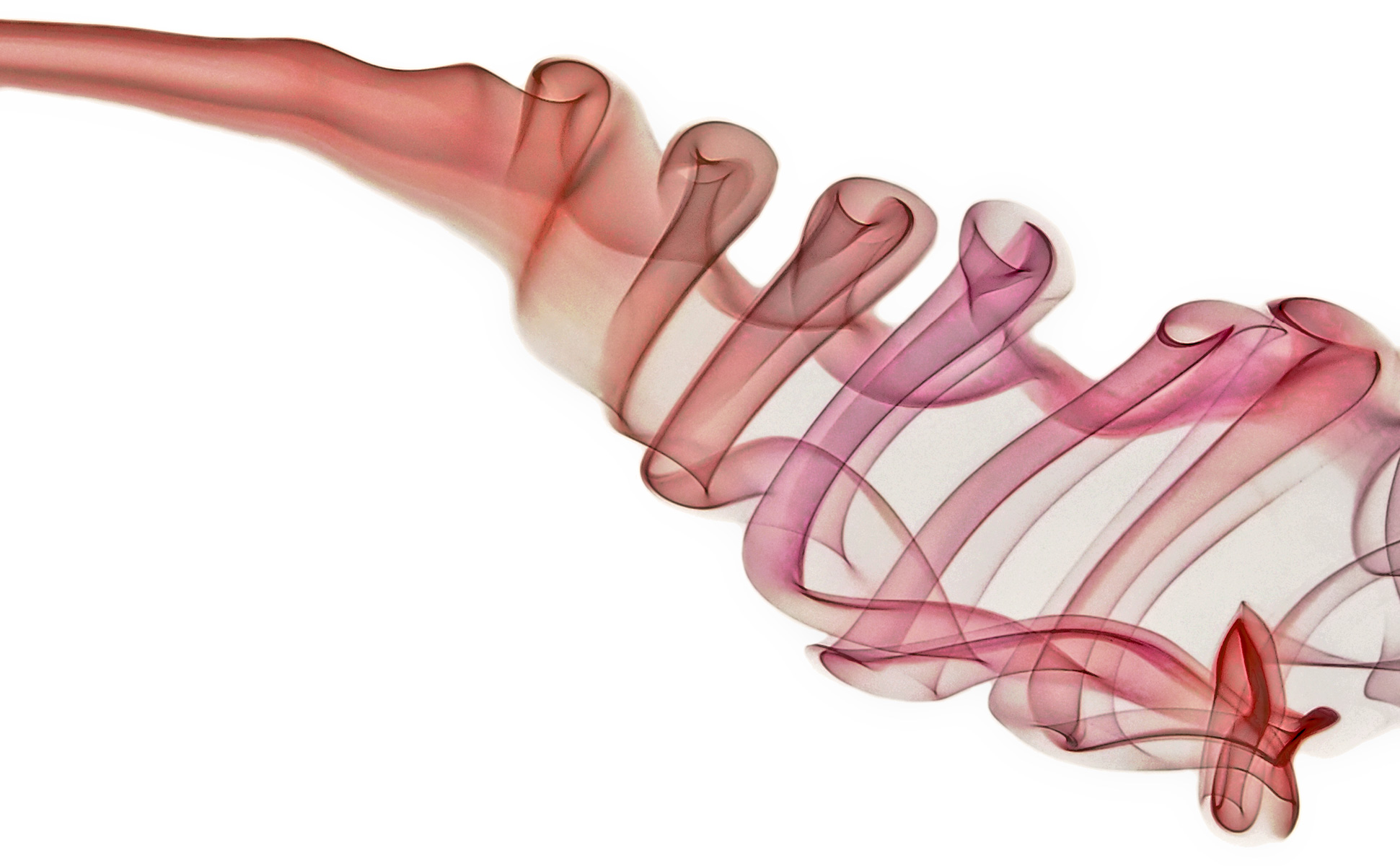
These are pictures are of ordinary smoke that have been coloured on the computer. The smoke comes from burning incense sticks and was photographed in a studio using an off camera flash.


Coloured Smoke Master Class

This is the latest version (updated in August 2007) of my notes on how to create pictures of coloured smoke. There is of course no right way to photograph smoke, it is largely a matter of experimentation to find out what works for you. These notes are part instruction, and part a description of my own technique, and a few things I have discovered along the way. I hope you find them useful.

What I am looking for in my own work is well composed, clearly defined line and shape with smooth transition of smoke density throughout the image. I am not trying to create pictures of smoke; I am trying to create pictures by using smoke.

In my opinion the key technical factor in shooting smoke is to provide appropriate lighting, but before I describe my preferred method for artificial lighting let me sketch out a very simple approach to photographing smoke.

Imagine a darkly appointed room with no shiny surfaces to encourage reflection. See it is lit by one small, high, single pane window, facing towards the sun. If the air in the room is dusty or smoky you will be able to see the whole ray of light from window to floor. If the air in the room is clean the ray will be invisible and just the patch of light on the floor will reflect the sunshine.

In the clean air room set a smoke column to pass through the sunbeam and photograph the smoke against the dark walls of the room. With any camera, and no tricks, simple effective smoke pictures can be taken ready for post processing. I have never found the right room, but I know some people have, and it saves an awful lot of messing about.


The smoke.
The smoke source I use is incense sticks; they give off about the same volume of smoke as a cigarette but they are much cheaper because they last longer, and they smell better.

Ventilation is important. It is true that without ventilation a smoky room will soon become an uncomfortable place to work. Far more important for photography is that, as the air fills up with the fog of dissipated smoke your pictures will be robbed of light, contrast and sharpness.

There is a need to be in some control of the plume of smoke so draughty or breezy rooms are not satisfactory. The trick is to work in reasonably still air for short periods and then refresh the air in the room and start again.

In perfectly still air the smoke will rise in a straight column driven by the heat from the smouldering source. After a certain height the smoke will accumulate in a cloud. Try to avoid getting the cloud in the picture, it spoils focus and contrast.

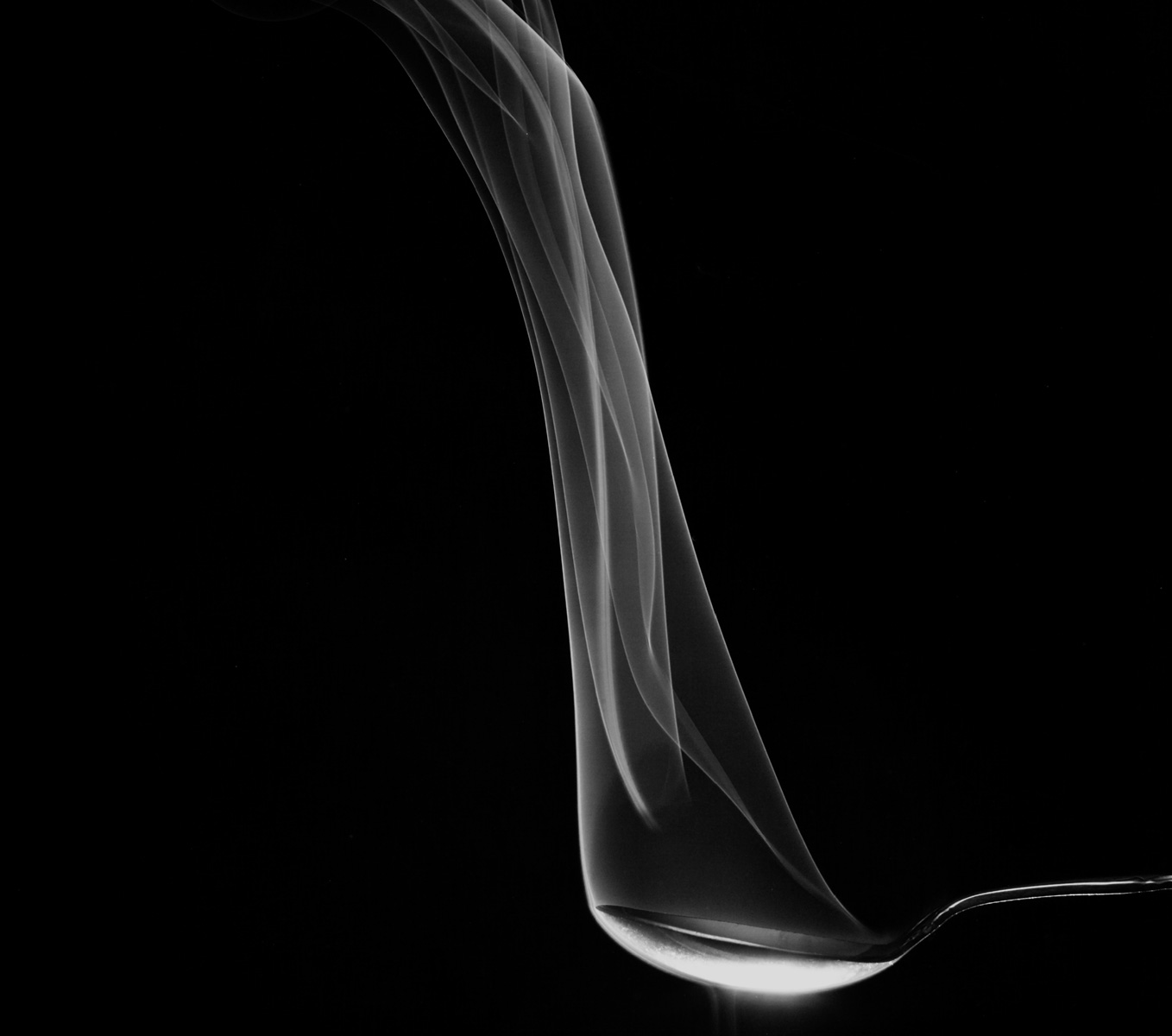
It is most likely that there will be some air movement and that you will get some reasonable shapes in the smoke. To vary the patterns try wafting or blowing near the smoke. Another way to change the shape of the smoke is to introduce a small obstruction to the path of the smoke, I have used spoons, a cheese grater, and other sundry items, each seems to have its own profile in the way the smoke is affected.

The speed of the smoke rising also affects the shapes that occur and is related to the temperature of the heat source. To slow down the smoke introduce an obstruction like a funnel at an angle that will move the smoke column so that it is no longer directly above the heat. To speed up the smoke (and raise that cloud I mentioned earlier) add more heat. This can be done by placing 3 or 4 lit candles around the source of the smoke at a distance of a few inches.


The background.
The background should be black or as close to black as you can manage. I have found that black cotton velvet gives a dense black and reflects very little light. A good background makes big difference to the end result. Your lighting should be arranged so that ideally none, but realistically very little, falls on the background.


Lighting the smoke.
A lot of light is needed, and here’s why.

You need a fast shutter speed because smoke is moving and you need to freeze it. Flash lighting will do that of course and you should sync at the highest speed you camera allows to reduce any chance of ambient light getting in to reduce contrast.

You need as much depth of field as you can get because you don’t know precisely where the smoke will be when you fire the shutter. Auto focus is useless with smoke, it is necessary to manually pre focus the lens. After setting the stage I usually look at the smoke for a minute or two, maybe practice some wafting, and just watch where the smoke goes. Then position something solid where I think the centre of smoke activity will be and pre focus the camera.

You need, or at least will generally be better off with, a low ISO setting. Smoke is made of particles, it is in effect already grainy, and adding noise by shooting at a higher ISO just makes matters worse.

With the camera set with a fast shutter speed, small aperture, and low ISO the scene needs to be well lit.

I usually place the main flash light somewhere between the side and behind the smoke. The light needs to cover the area where the smoke might be, and it shouldn’t be so close that the smoke is unevenly lit. You may consider using a small reflector to bounce some light back from the side opposite the flash, or even a second flash unit if you are troubled by unevenly lit smoke.

I place baffles between the flash and the background to stop any light from reaching the velvet. I also fit the flash with a snoot or barn doors to try and reduce stray light. I may be over stressing this reflected light business, it’s just that the walls and ceiling of my little attic studio are painted white and light bounces off all the surfaces. If I’d have known then what I know now I’d have painted them black or at least dark grey.


Setting up the shot.
With the lighting in place, the smoke in front of the black background, the pre-focused camera on a tripod at the front the first shots can be fired. Typically I will shoot from 2 to 6 feet away from the smoke and include about 10 to 20 inches of the plume in the frame. I use a remote release and stand away from the viewfinder. It is a lot easier to react to a developing shape if you can see the whole scene; if you wait to see the perfect smoke shape in the viewfinder the chances are that you’ll be too late.


Checking the exposure.
Take just a few shots to start with; this is the time to check the exposure. Checking the histogram at this stage won’t help unless you already have experience of shooting smoke. There is no bell curve with smoke photography, these are not shots in the park, they are shots in the dark. I recommend that you process a few shots at this stage to ensure you have all the settings right.

Adjust the exposure so that the brightest part of the smoke is almost white. Over exposure will lose some detail and the smoke will look blocky and unattractive. Under exposure will result in lack of contrast and the smoke will blend too well with the background. Trial and error, and lots of it, is required to get all the exposure settings right.


Post process cleanup.
With the shooting phase completed the process gets easier. With lots (hundreds?) of reasonably well exposed smoke images to work with it is time to be ruthless. Smoke art is the aim and most of the images you have so far can be sacrificed as you search out the few that contain a really pleasing shapes in the smoke.

Cropping to get a good composition will almost certainly be necessary. We didn’t exactly compose in the camera, just point in the rough direction.

Before attempting to colour the smoke there a couple of necessary cleanup jobs to be done.

First the background should be made black, not just very dark but scientific black, RGB(0,0,0) . I use a large paintbrush for this and go over the background taking out any wisps of smoke that don’t belong to the main picture. I paint up close to the smoke but not inside it. If, when looking at the full image, you can see where the paintbrush has been applied then your exposure wasn’t right in the first place. If it is not far off then a tweak to levels may put things right.

There will be spots in the picture, after burning stuff and wafting the air around there are bound to be spots of dust or ash in the picture. These can be cleaned up with the Spot Healing or the Clone brush. When you think you have dealt with all the spots invert the image and deal with the ones you have missed.

Having now seen the smoke both on a black and a white background you will know which is more appealing.


Applying colour.
There are loads of ways to apply colour to the smoke I suggest you dabble, and experiment. I have tried lots of methods, from soft selections with hue/saturation to gradient layers with the blend mode set to colour. There is no limit and certainly no correct way of applying colour.


Sharpening or not.
I would recommend that any sharpening is applied sparingly, to see artefacts on the edge of the smoke is not attractive. In some images I have gone the other way and applied a very small amount of edge sharpening combined with surface blur to smooth out the non edge areas of smoke. Try anything.


Conclusion.
I have found creating smoke art at times both frustrating and very satisfying. Some people manage to get things right from the word go and others have had to struggle to produce decent pictures. I hope that, if you intend to have a go at creating coloured smoke pictures, these notes help to put you straight into the first group. Have fun.


Related links:
Smoke: By Myla Kent
ArtSmoke: Group on Flickr
Photocritic.org: Abstract smoke photography how-to
Turbulence: A Sensitive Light blog entry, June 2005
Just boasting: A Sensitive Light blog entry, November 2004
Viewed 480,864 times


Design, layout and content is Copyright © 2003 - 2007 Graham Jeffery.
Images are licensed under a Creative Commons Attribution-Noncommercial 3.0 License. Attribute by a link back to this site.